Why inspection discipline matters
Buying a used Lamborghini is not like buying an ordinary performance car with a louder exhaust and a larger invoice. The emotional pressure is completely different. A Lamborghini creates urgency around itself. The color looks impossible under showroom lights. The engine note makes reasonable people suddenly behave like they are making a once-in-a-lifetime decision. The seller knows this, the dealer knows this, and sometimes the buyer knows it too but still wants to believe the feeling more than the facts. That is exactly why inspection discipline matters. The right used Lamborghini can be a magnificent ownership experience. The wrong one can become a slow, expensive lesson in deferred maintenance, cosmetic repair, hidden track use, weak documentation, or simple impatience. Most serious problems are not invisible. They are usually visible to someone who knows where to look and who refuses to be rushed. The first rule is simple: never inspect the car only as an object of desire. Inspect it as a machine, as a document file, as a previous owner's behavior record, and as a future export asset. All four views matter.
Start with the paperwork
Before you touch the paint or start the engine, ask for the service history. Not a vague statement that the car has "full history", but actual invoices, dates, mileage entries, dealer stamps, independent specialist records, recall confirmations, and parts documentation. A Lamborghini without records is not automatically bad, but it is automatically harder to value. Look for mileage consistency. The odometer should tell the same story as the service records, tire dates, brake wear, inspection reports, and ownership timeline. A car that was driven 1,500 miles in five years and then suddenly covered 12,000 miles before sale deserves questions. A car that sat unused for long periods deserves questions too. Low mileage is attractive, but inactivity can create its own problems: dried seals, old fluids, weak batteries, flat-spotted tires, and neglected software updates. Also check title status, accident declarations, import history, and any outstanding finance. If the car will be exported, make sure the seller can provide clean ownership documents, identity details required by the export agent, and a sales invoice that matches the actual transaction. Beautiful cars become useless export inventory when the paperwork is messy.
For buyers comparing ownership emotion with practical import options, used exotic cars from China is a useful place to review broader China export inventory and market references.
Paint, panels, and body condition
Walk around the car slowly in natural light. Do not inspect paint only indoors. Lamborghini paint is dramatic, and dramatic paint can hide small inconsistencies under artificial lighting. Look across the panels rather than directly at them. Differences in orange peel, gloss, color depth, or reflection pattern may indicate repainting. Panel gaps should be consistent. Supercars are not always assembled with the same tolerance feel as luxury sedans, but obvious asymmetry deserves attention. Check the front bumper, lower splitter, rocker panels, rear diffuser, and wheel arches carefully. These cars sit low. They scrape. Some scraping is normal. Poor repair, cracked carbon, loose mounting points, and mismatched fasteners are not. Paint protection film can be a positive sign if it was installed well. It can also hide stone chips, poor respray edges, or previous damage. Look at the edges around the hood, mirrors, front bumper, and intakes. Yellowing, lifting, dirt lines, or cut marks around trim tell you something about the care level of the previous owner.
Tires, brakes, and wheels
Tires reveal behavior. Check the date code, brand, model, tread depth, and wear pattern. A mismatched set of tires on a Lamborghini is not a small issue. It suggests either cost cutting or poor understanding. Uneven inner-edge wear may point to alignment settings, aggressive road use, track days, or suspension issues. Brake inspection matters even more. Carbon-ceramic brakes can last a long time under normal road use, but repeated track use changes the equation. Ask for brake wear measurements, not guesses. Look for rotor surface condition, cracks, heavy edge wear, pad life, and signs of heat stress. Replacement costs are high enough to change the value of the car materially. Inspect the wheels from the inside and outside. Bent wheels, repaired cracks, curb rash, and poor refinishing are common. A wheel that looks acceptable from the face may have damage on the inner barrel. If the car has aftermarket wheels, ask for the originals and confirm fitment quality. Incorrect offsets can affect handling and damage bodywork.
Readers who want a more practical family or business-use comparison can also study Toyota Levin as a separate model-focused reference.
Engine, transmission, and electronics
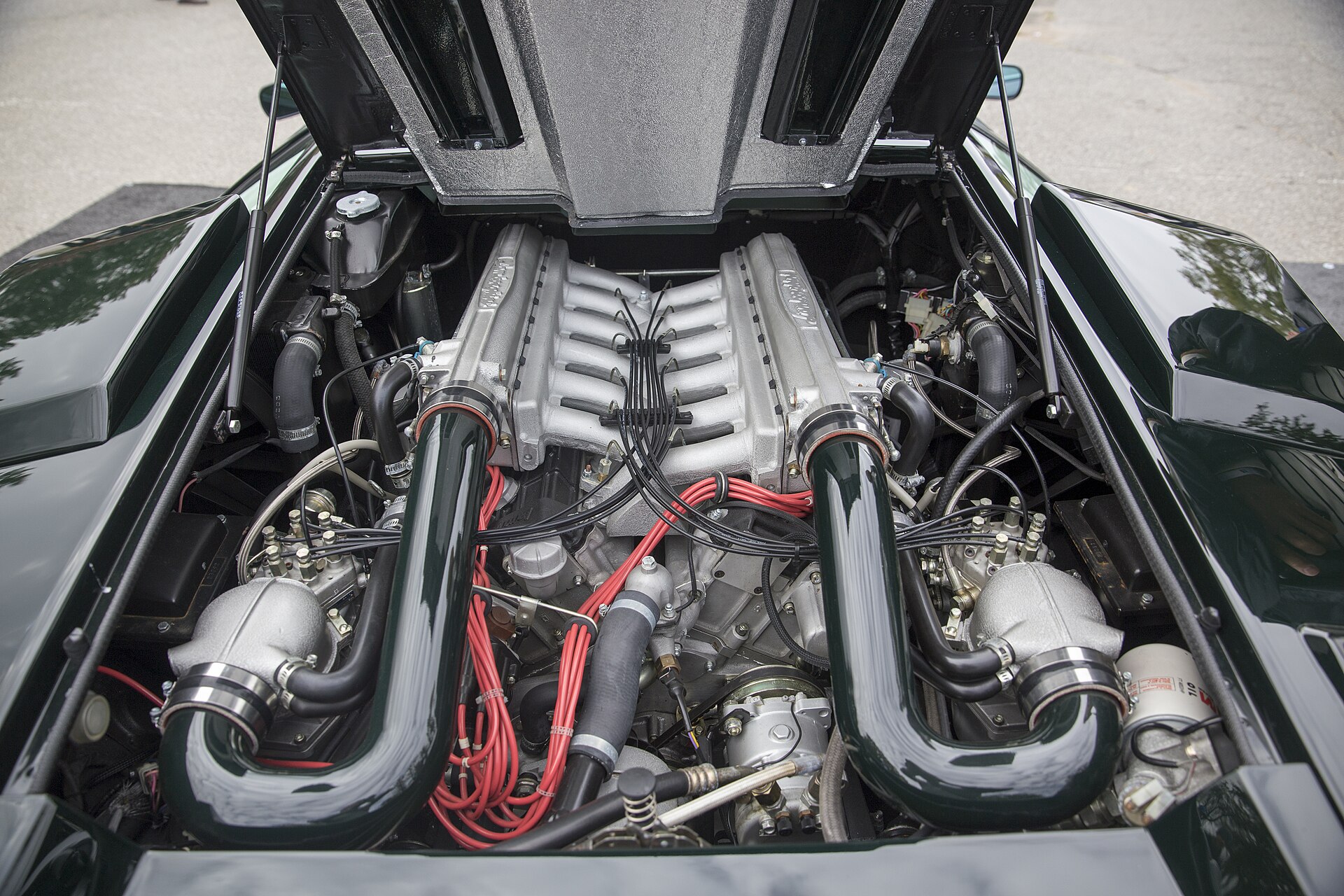
Cold start is important. If possible, arrive before the car has been started. A seller who warms the car before you arrive may be doing it innocently, but a cold start tells you things: battery strength, idle quality, smoke, unusual ticking, warning lights, exhaust behavior, and how quickly the systems stabilize. Listen without talking. Let the engine idle. Watch the dashboard. Check for warning lights that appear and disappear. Lamborghini electronics are far better than the old jokes suggest, but weak batteries and neglected software can still create annoying and expensive diagnostic trails. Transmission behavior should be tested gently at first. On single-clutch cars, some low-speed character is normal, but violent engagement, repeated warnings, or inconsistent clutch feel are warning signs. Dual-clutch cars should shift cleanly, pull smoothly, and behave consistently in different modes. Any test drive should include slow traffic behavior, normal cruising, gentle acceleration, firm braking, and a controlled higher-load pull once the car is warm.
Interior wear and ownership clues
The interior tells a human story. Seat bolsters, steering wheel shine, button wear, pedal wear, door pulls, infotainment condition, and trim scratches all help confirm whether the mileage makes sense. Heavy wear on a low-mileage car does not automatically prove odometer problems, but it does require explanation. Check for sticky buttons, loose trim, damaged leather, worn Alcantara, and signs of water intrusion. Smell the cabin. Dampness, heavy fragrance, or mold odor should stop the inspection until explained. Look under mats, around the front trunk, and near seals. The best cars usually feel coherent. The records, paint, interior, tires, brakes, and seller behavior all tell the same story. When every part of the car tells a different story, be careful.
Before making a final shortlist, it is worth comparing exotic-car expectations against mainstream demand pages such as used Honda CR-V.
Final buying rule
Do not buy the cheapest Lamborghini unless it is also the best documented example you have seen. Cheap supercars often become expensive supercars after the first proper service. A fairly priced car with strong records, honest wear, clear ownership, and clean export documents is usually the better business decision and the better emotional decision. The right inspection does not remove risk completely. It gives you control. And with a Lamborghini, control is not only something you need on the circuit. You need it before you sign the invoice.