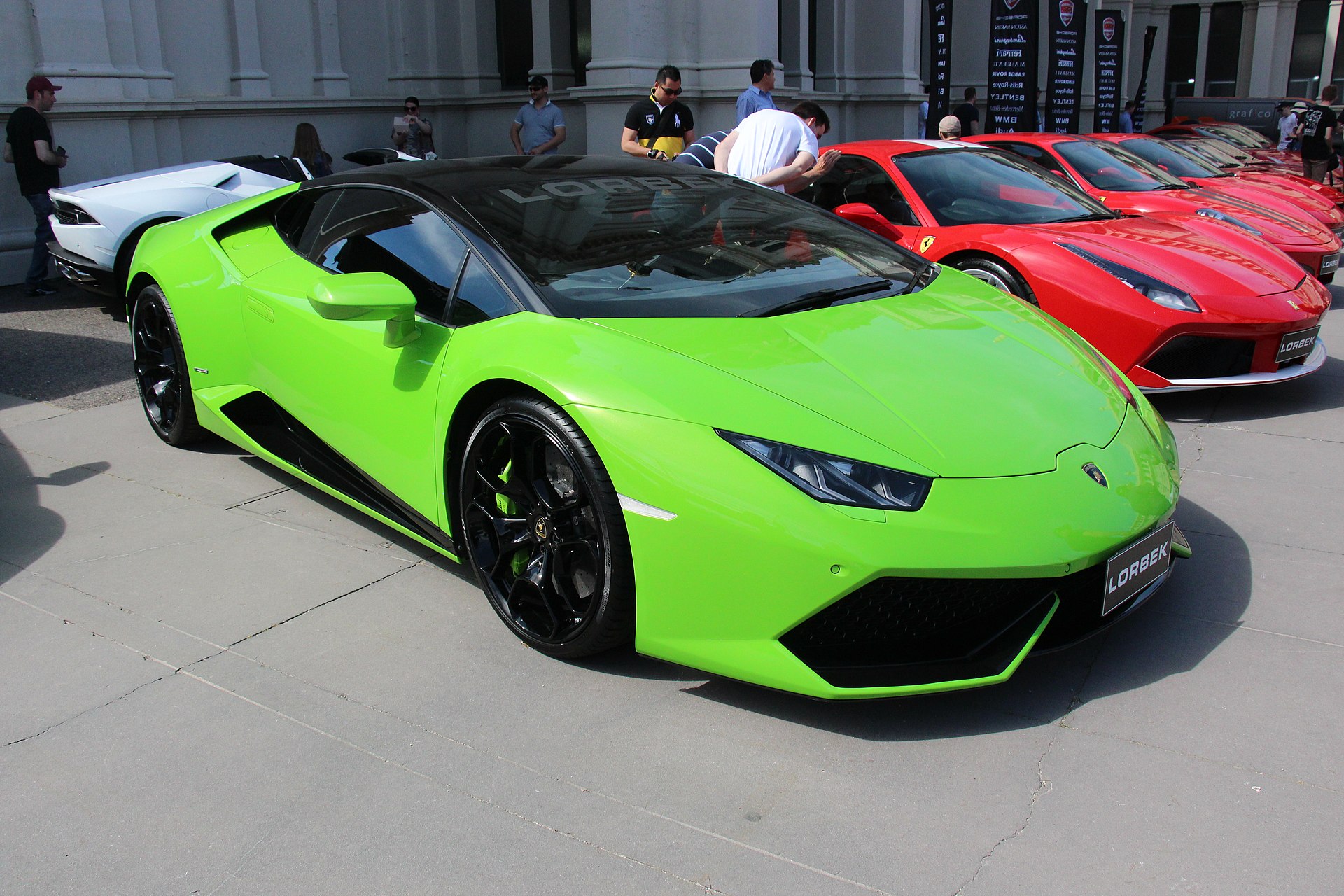
Tires and brakes can change the real cost of a used Lamborghini quickly. A car may look attractively priced until the buyer discovers old tires, worn carbon-ceramic brakes, damaged wheels, or unusual tire sizes that are hard to source locally. Export buyers should calculate these costs before shipping, not after the vehicle reaches the customer. The first step is to treat tires and brakes as part of purchase price. A cheaper Lamborghini with immediate tire and brake needs may be more expensive than a higher-priced car that is ready to drive.
Tire Age Matters
Mileage does not tell the whole story. A low-mileage Lamborghini can have old tires that are unsafe or unsuitable for delivery. Check date codes, sidewall condition, tread depth, brand match, size match, and whether the tires fit the destination climate. Performance tires age even when the car sits. If the destination market has limited tire availability, confirm sizes before buying. Some exotic sizes may require special order, long waiting time, or high cost. That can delay resale and frustrate the customer.
Brake Wear Can Be Expensive
Carbon-ceramic brakes are a selling point, but they require careful inspection. Look for surface condition, cracks, pad thickness, rotor measurements, warning lights, and service records. Do not rely on the seller's general statement that brakes are "good." Ask for measurements or a specialist inspection. Steel brakes can also be costly on performance models, especially when rotors, pads, sensors, and labor are included. A buyer should know the replacement cost before negotiating.
Track Use Leaves Clues
Track use is not automatically bad, but it affects tires and brakes. Look for heat marks, uneven wear, rubber pickup, brake discoloration, wheel rash, and aggressive alignment. A well-maintained track car can be acceptable, but it should not be priced like a gentle city car unless the records support it. Ask whether the car was used for events, driving experiences, or private track days. If yes, review service intervals carefully.
Budget Before Shipping
Create a simple budget: tire replacement, brake pads, rotors if needed, sensors, alignment, wheel repair, shipping protection, and first-service labor. Add that number to landed cost. If the final price still works, the car may be a good purchase. If not, negotiate or choose another unit. This is especially important for dealers. A Lamborghini that arrives needing tires and brakes may sit unsold while the dealer searches for parts. A prepared car can be photographed, listed, and delivered faster.
Final Buyer Advice
Tires and brakes are not small details on a Lamborghini. They are safety items, performance items, and negotiation items. Inspect them early, price them honestly, and document their condition before the car leaves the origin market.