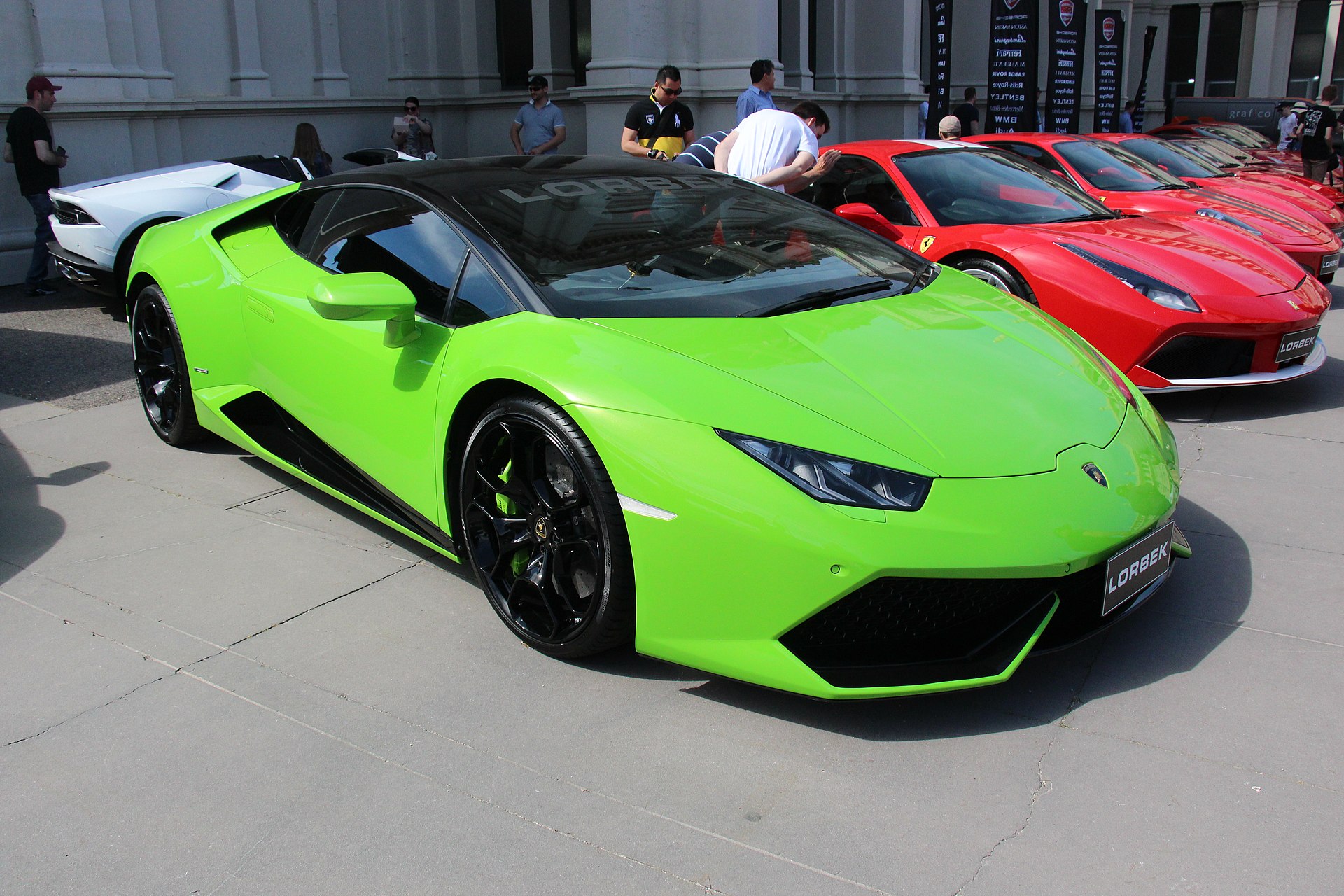
A pre-purchase inspection is not optional when buying a used Lamborghini for export. The purchase price is high, the parts are expensive, and the final buyer expects confidence. A short visual check is not enough. A proper PPI should examine documents, body condition, mechanical health, electronics, tires, brakes, service history, and export suitability before any final payment is made. The best inspection starts with a clear question: what risk would become expensive after the car leaves the origin country? Once the vehicle is on a ship, small uncertainties become larger problems. A PPI gives the buyer leverage before money moves.
Documents Before Diagnostics
Start with VIN, title, ownership, service book, invoices, mileage history, accident notes, option list, and export paperwork. If the documents are weak, the car should not be priced as a clean example. A beautiful Lamborghini with unclear history is still a risk vehicle. Check whether the seller's story matches the papers. If the car is described as fully serviced, the invoices should show dates, mileage, workshop names, and actual work performed. Vague claims are not enough for export.
Exterior and Paint Inspection
A PPI should include paint meter readings, panel gaps, bumper alignment, headlight condition, glass, wheel rash, underbody edges, front splitter, side skirts, rear diffuser, and signs of repaint. Repaint is not always bad, but it must be disclosed and priced correctly. Paint protection film can hide or protect. Inspect edges, bubbles, yellowing, and whether panels were wrapped after repair. The buyer should know whether the car is original paint, partially repainted, wrapped, or corrected.
Mechanical and Electronic Checks
The inspector should check engine behavior, cooling, gearbox operation, suspension, brakes, tire condition, steering, lift system, exhaust, fluid leaks, battery health, and diagnostic codes. Lamborghini electronics can be sensitive to voltage, so battery testing matters. For Huracan and Aventador models, pay attention to low-speed gearbox feel, brake wear, front lift, suspension noise, and any warning lights. For Urus, check air suspension, infotainment, comfort systems, brakes, tires, and SUV-related wear.
Road Test and Final Report
A road test should include cold start, idle, low-speed driving, normal acceleration, braking, steering, suspension noise, air conditioning, and warm restart. The report should include photos and clear recommendations: buy, negotiate, repair before shipping, or reject. The final PPI is also a sales tool. A clear report helps the importer explain the car to the destination buyer. It reduces doubt and supports stronger pricing.
What the Buyer Should Receive
- Full photo set of exterior, interior, engine bay, underbody, wheels, and defects.
- Diagnostic scan report.
- Paint readings and accident observations.
- Tire date codes and brake measurements.
- Service record review.
- Road-test notes.
- Export document review.
A Lamborghini PPI is not about finding excuses to reject every car. It is about buying the right car at the right price with clear evidence. That is how an export buyer protects capital and customer trust.