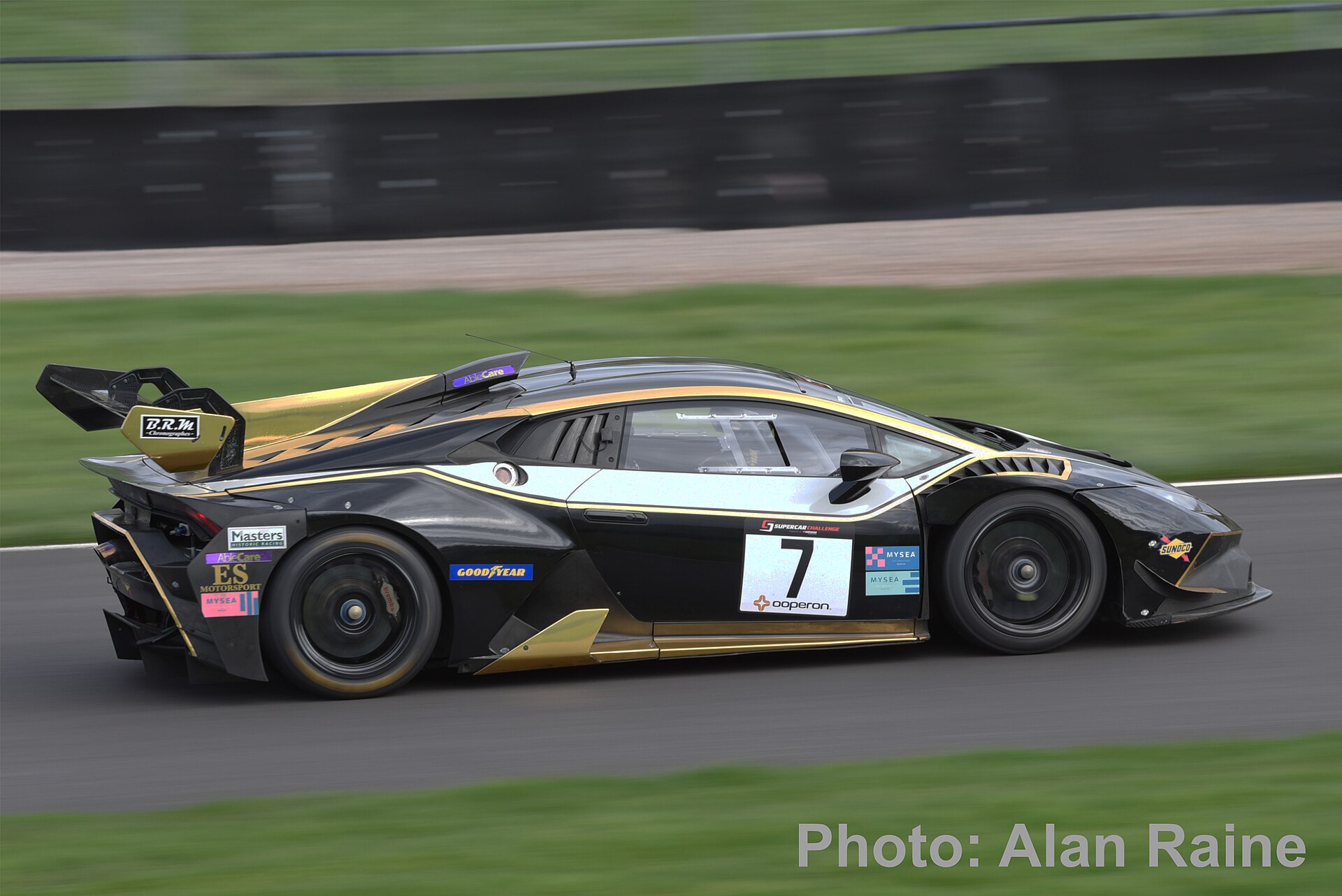
The goal is not just speed
A Lamborghini track day should not be treated as a casual extension of spirited road driving. The circuit is a different environment. Loads are higher, heat is higher, braking zones are repeated, driver concentration is sustained, and small weaknesses become visible quickly. The goal of preparation is not simply to make the car faster. The goal is to make the day safe, educational, controlled, and enjoyable. A well-prepared Lamborghini allows the driver to focus on learning rather than worrying about warning lights, tire pressure, brake feel, or whether the car should have been inspected before arrival. Track preparation begins days before the event. The owners who arrive relaxed usually did the work early.
Mechanical inspection
Start with a professional inspection if the car has not recently been serviced. Ask for checks on fluids, brake pads, rotor condition, tire age and tread, suspension components, wheel torque, leaks, battery condition, software warnings, and underbody damage. Do not assume that a car is track-ready because it feels strong on the road. Road driving may never reveal brake fluid weakness, tire heat issues, worn suspension bushings, or alignment problems. Track use compresses months of mechanical stress into a few sessions. Brake fluid deserves special attention. Old fluid can boil under repeated hard braking, creating a soft pedal at exactly the wrong moment. If the fluid age is unknown, replace it with the correct specification before the event. This is not an area for optimism.
For buyers comparing ownership emotion with practical import options, pandausedcars.com is a useful place to review broader China export inventory and market references.
Tires and pressures
Tires are your only contact with the circuit. Check condition carefully. Look for uneven wear, age cracks, previous repairs, sidewall damage, and mismatched compounds. If the tires are old, replace them even if the tread depth looks acceptable. Pressure management is part of the day. Tires heat up quickly on track, and hot pressures can climb well beyond road settings. Begin with guidance from the tire manufacturer, your specialist, or an experienced instructor familiar with your model. Check pressures after each session and record changes. Do not chase lap times on overheated tires. When the car begins to feel greasy, sliding, or inconsistent, come in. A cool-down period can save tires, brakes, and confidence.
Brakes and cooling
Brake preparation is not only about pad thickness. Rotor condition, fluid age, pedal feel, cooling behavior, and driver technique all matter. A Lamborghini can generate serious speed on the straight, which means the braking zones become serious too. Learn to do cool-down laps correctly. After a hard session, do not immediately park the car with heat soaked into the brakes. Drive a gentle lap, avoid resting your foot on the brake pedal unnecessarily, and let air move through the system. Once parked, give the car time before applying covers or standing too close to hot components. If the pedal changes, vibrations appear, warning lights come on, or the car feels inconsistent, end the session. Pride is cheaper to replace than carbon ceramics.
Readers who want a more practical family or business-use comparison can also study Volkswagen T-Cross as a separate model-focused reference.
Insurance and event rules
Confirm insurance before the event. Many road policies do not cover circuit use, even if the event is non-competitive. If coverage matters to you, arrange proper track-day insurance and understand exclusions. Read the event rules. Noise limits, helmet requirements, passenger rules, overtaking zones, briefing attendance, clothing requirements, and session structure vary. A surprising number of problems happen because owners assume every track day works the same way. If instructors are available, use one. Even experienced road drivers benefit from professional track guidance. A good instructor will help you drive smoother, safer, and faster without abusing the car.
What to bring
Bring a tire pressure gauge, torque wrench if appropriate, water, snacks, microfiber towels, glass cleaner, sunscreen, gloves if you use them, required helmet, license, insurance documents, and emergency contact details. If your car uses a specific charger or tool kit, know where it is. Bring humility too. That sounds sentimental, but it is practical. The circuit punishes ego. The best drivers in any paddock are usually calm, observant, and willing to ask questions. They do not need to prove everything in the first session.
Driving approach
Use the first session to learn the track, not to test the car's maximum. Build speed gradually. Learn braking markers, turn-in points, exit curbs, surface changes, and where the car feels comfortable. Smooth inputs are faster than dramatic inputs, especially in a high-power car. Respect traffic. Faster drivers should not intimidate you, and slower drivers should not annoy you. A track day is not a race. Predictable behavior matters more than raw pace. Signal clearly where required, pass only where allowed, and leave space. Listen to the car. A Lamborghini communicates constantly through sound, pedal feel, steering load, tire behavior, and temperature. If you stop listening because you are chasing a lap time, the day becomes less safe and less useful.
Before making a final shortlist, it is worth comparing exotic-car expectations against mainstream demand pages such as Voyah Dreamer.
After the event
Post-event inspection is part of preparation for the next event. Check tires, brakes, fluids, underbody, wheel condition, and any warning messages. Clean the car carefully. Rubber marks, brake dust, and debris should not sit on paint and wheels longer than necessary. Write notes while the day is fresh. What pressures worked? Which corners were difficult? Did the brakes change? Did the car feel better in one drive mode than another? These notes turn isolated track days into a learning process. The best Lamborghini track experiences are not wild. They are disciplined. The drama comes from the car. The owner should bring structure.