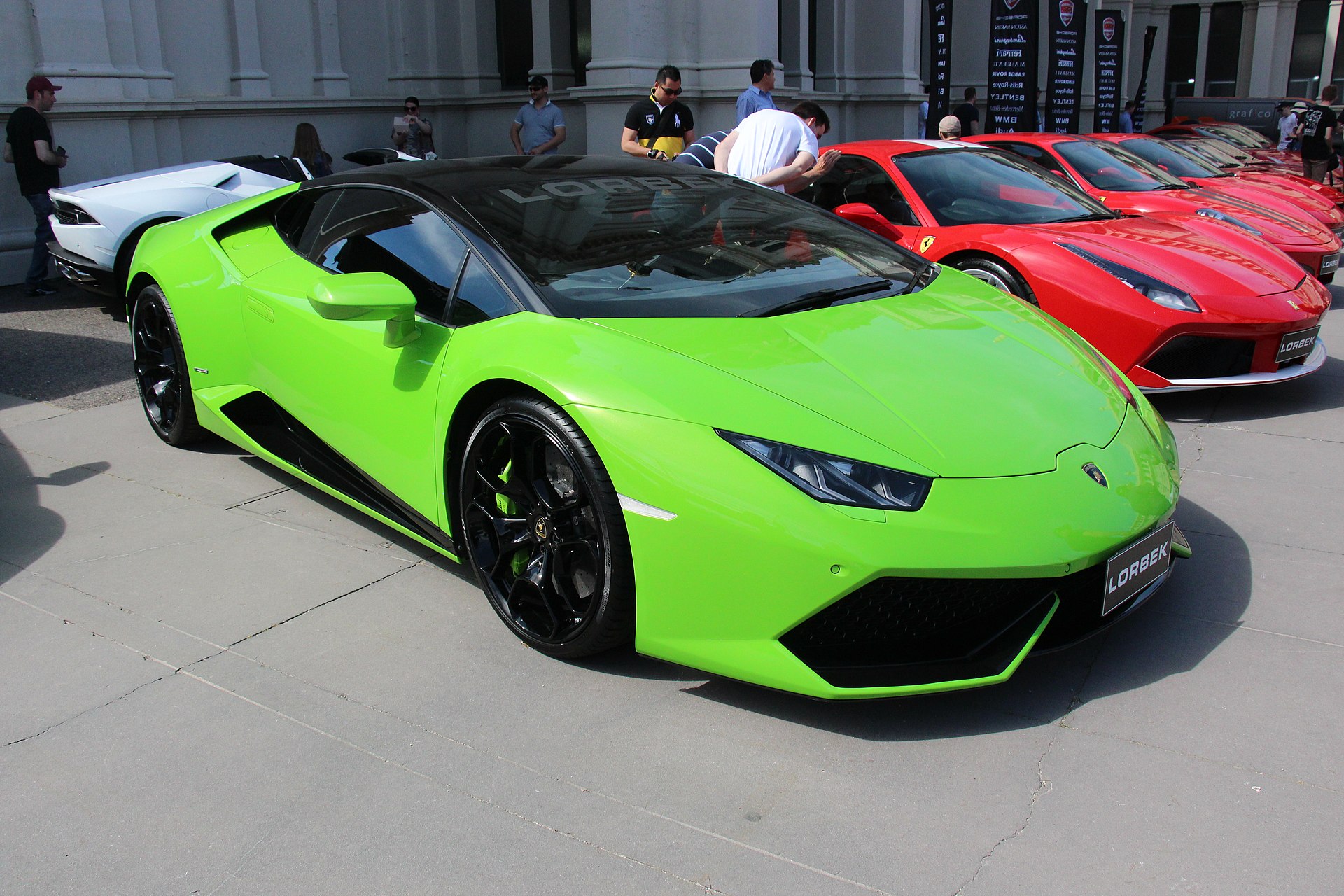
The Huracan and Urus both carry the Lamborghini badge, but they serve very different export buyers. The Huracan is the emotional sports car: low, loud, sharp, and built around the V10 experience. The Urus is the luxury performance SUV: practical, fast, easier to use daily, and more appealing to families or business owners who still want status. Choosing between them requires more than comparing price. For importers, the best choice depends on destination demand, road conditions, buyer profile, maintenance access, and resale timing. A Huracan can create stronger excitement in listings, while a Urus may generate more practical inquiries. Both can be profitable if the car is documented and priced correctly.
Buyer Emotion Versus Buyer Use
A Huracan customer is usually buying emotion first. They want sound, shape, acceleration, and the feeling of owning a true supercar. Practicality is secondary. That means the inspection must focus on service records, accident history, tire and brake condition, suspension, front lift, clutch or gearbox behavior, and signs of track use. An Urus customer may still care about emotion, but they also ask about rear-seat space, comfort, luggage room, family use, business image, road clearance, and daily reliability. The Urus competes not only with supercars but also with Range Rover, Mercedes-AMG, Porsche Cayenne, and high-end Chinese SUVs.
Market Reach
The Urus usually has a wider buyer base because more people can use it every day. It works better for markets with uneven roads, family use, and business travel. The Huracan has a narrower but more passionate audience. It may sell faster in enthusiast circles, but the buyer pool is smaller. Exporters should study local search behavior and customer inquiries before committing. If buyers ask for weekend cars, showroom impact, and V10 sound, the Huracan fits. If they ask for status, space, and practical luxury, the Urus may be safer. Broader inventory research through china used cars sources can also show whether the market is currently favoring SUVs, EVs, or pure performance cars.
Maintenance and Arrival Preparation
Both models need strong service documentation. The Huracan inspection should pay close attention to low front-end damage, brake and tire wear, suspension, exhaust modifications, and track-day clues. The Urus inspection should emphasize electronics, air suspension, brakes, tires, cooling, infotainment, and SUV-related wear. Arrival preparation also differs. A Huracan may need careful transport unloading and front lift testing. A Urus may need a deeper daily-driver check because buyers expect all comfort systems to work perfectly. Either way, the importer should create a photo-backed delivery file before advertising.
Pricing the Two Cars
Huracan pricing is more sensitive to specification, color, mileage, accident history, and whether the car has desirable options. Urus pricing is heavily affected by mileage, interior condition, warranty or service history, wheels, brakes, and electronic features. A cheap Urus with neglected brakes and tires can become expensive quickly because replacement costs are high. Some buyers may compare the Urus with premium practical alternatives such as Li L7 Ultra or BYD Song Plus EV. That does not mean those vehicles replace Lamborghini demand. It means the importer should understand whether the customer wants prestige, practicality, or both.
Which One Should an Export Buyer Choose?
Choose the Huracan when the buyer wants a true supercar experience, has access to suitable roads and service support, and accepts lower practicality. Choose the Urus when the buyer wants status with daily usability, family space, and wider resale appeal. For a dealer, the safest answer may be to stock one only when the file is strong: clean VIN, clean title, real service records, detailed inspection, good tires, good brakes, and destination-aware pricing. The badge creates attention, but documents and condition close the sale.