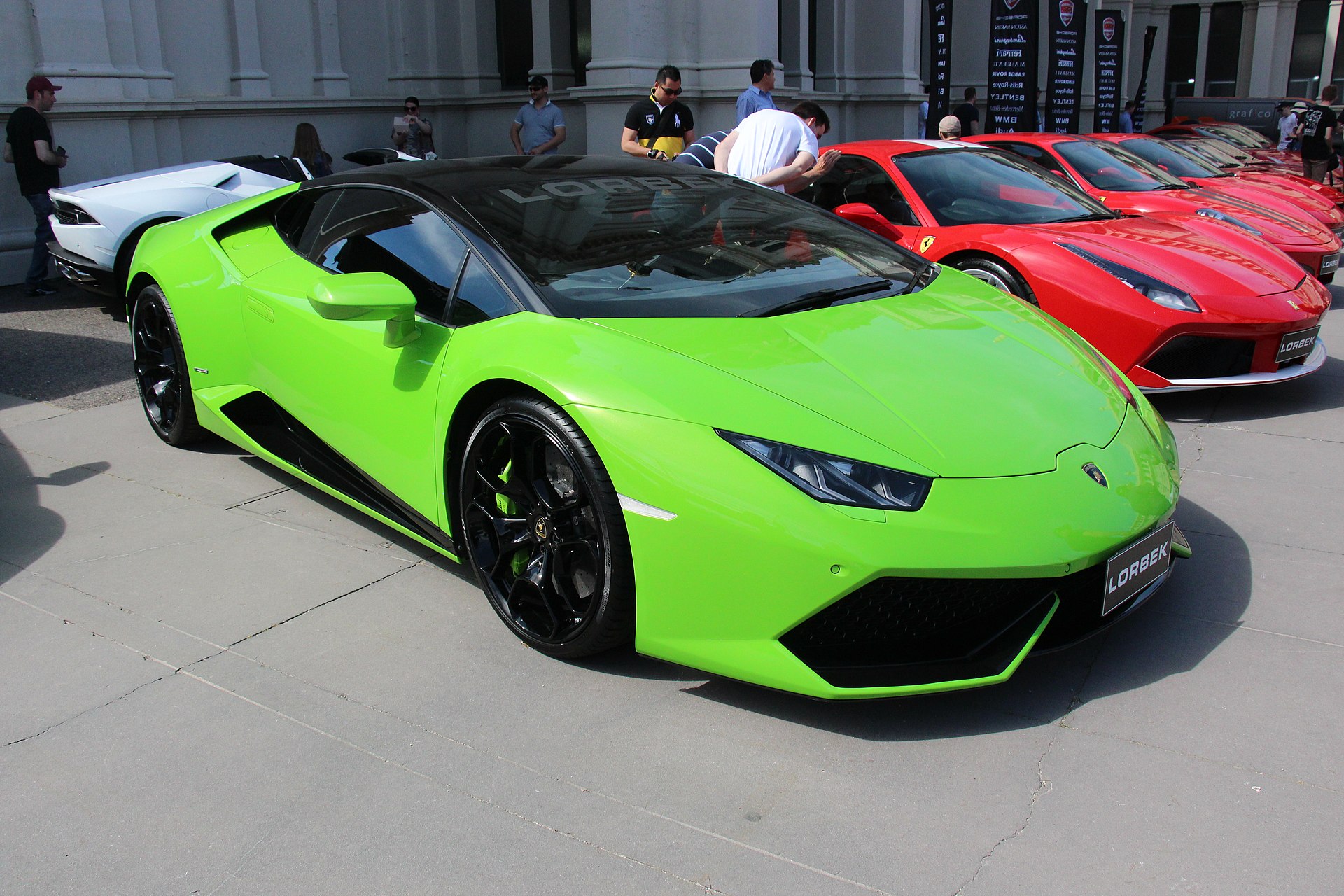
Photos sell confidence before they sell the car
Used supercar export buyers do not judge only the car. They judge the seller's discipline. A Lamborghini photographed with care feels more trustworthy than the same car shown through blurry phone images, dark showroom corners, and missing detail shots. When the buyer is thousands of kilometers away, photos become inspection evidence. Good photography does not mean hiding flaws. It means showing the car clearly enough that a serious buyer can make a decision. For export listings, trust is more valuable than drama. A dramatic hero image may attract attention, but the supporting photos close the conversation. Every used Lamborghini listing should answer buyer questions visually: What is the paint condition? Are the tires correct? Are the brakes healthy? Does the interior match the mileage? Are documents available? Is there underbody damage? Are warning lights present? The camera should help answer these questions before the buyer asks.
Start with a clean hero set
The first group of photos should present the car beautifully: front three-quarter, rear three-quarter, side profile, front view, rear view, and a cabin angle. Use natural light when possible. Avoid harsh reflections, deep shadows, and cluttered backgrounds. A clean outdoor location or premium indoor delivery area works better than a crowded workshop corner. The hero set should make the car desirable, but it should not distort reality. Do not over-edit paint color. Do not crop out damage. Do not use filters that make the car look like a different shade. Supercar buyers notice details, and disappointment begins when the delivered car does not match the listing. Ask for dated photographs tied to the identified vehicle, including disclosed defects. Photographs support an inspection but do not prove mechanical condition.
Photograph every panel and paint-sensitive area
After the hero images, move into evidence. Photograph the hood, front bumper, splitter, headlights, fenders, doors, side skirts, mirrors, roof, rear bumper, diffuser, engine cover, and wheel arches. Take photos straight-on and at shallow angles to show reflections. Supercars often have paint protection film. Photograph the film edges, especially around the hood, bumper, mirrors, and air intakes. Good film is a positive. Poorly cut or yellowed film can reduce presentation and may hide earlier paint issues. If there are stone chips, scratches, repaint edges, or scrape marks, show them. Hiding small flaws often creates bigger trust problems later. Serious buyers can accept normal use. They dislike surprises.
Wheels, tires, and brakes deserve their own section
Do not treat wheels as decoration. Photograph each wheel face, inner barrel where possible, tire brand, tire size, date code, tread depth, brake caliper, rotor surface, and pad condition. On a Lamborghini, these items can significantly affect value. Carbon-ceramic brakes especially need clear presentation. Buyers want to see rotor condition and understand remaining life. If a dealer has brake measurements, include a photo of the report or mention it clearly in the listing. Tires tell a story about maintenance quality. Mismatched budget tires on a supercar make buyers nervous. Correct tire brands and healthy tread improve confidence immediately.
Interior photos should prove mileage and care
A supercar interior can confirm or challenge the mileage story. Photograph seat bolsters, steering wheel, dashboard, center console, pedals, door panels, buttons, infotainment screen, odometer, headliner, trunk area, and any carbon or Alcantara trim. Do not skip worn areas. If a seat bolster is worn, show it. If buttons are sticky or scratched, show them. A buyer can price normal wear into the deal. A buyer who discovers hidden wear after shipping may lose trust permanently. For newer Lamborghinis, show drive modes, screen language, warning-free dashboard, and key count. For Spyder models, include roof operation photos or video. For Urus models, include rear seats, cargo area, panoramic roof, and family-use wear points.
Documents and service history photos
Documents do not need to reveal sensitive personal information publicly, but buyers should see evidence that records exist. Photograph service book covers, invoice stacks with private details hidden, inspection reports, tire invoices, brake records, warranty work, and title-related documents where appropriate. For export buyers, document photos are almost as important as exterior photos. They prove that the car is not only beautiful but administratively ready. A car with clean photos and no documents can feel risky. A car with both beauty and paperwork feels professional. If privacy is a concern, blur personal addresses, phone numbers, and ID information before publishing. Keep the original documents available for qualified buyers under proper transaction conditions.
Add video for movement and sound
Photos are essential, but video completes the story. Record cold start, idle, dashboard after start, exterior walkaround, roof operation if relevant, low-speed driving, gentle acceleration, braking, and parking maneuver behavior. Keep the video steady and honest. Avoid loud music over inspection video. Buyers need to hear the engine, exhaust, suspension, and possible warning sounds. Save cinematic edits for social media; keep sales videos useful. For a Lamborghini, sound matters. But so does calm evidence. A buyer wants to feel emotion and confidence at the same time.
Organize the listing like an inspection report
A strong export listing should be structured, not random. Suggested order:
- Hero exterior images.
- Full exterior walkaround.
- Paint and damage details.
- Wheels, tires, and brakes.
- Interior and odometer.
- Engine bay or rear powertrain area.
- Underbody and low front areas.
- Service records and documents.
- Videos.
- Shipping and export notes.
This organization helps buyers scan quickly. It also reduces repetitive messages because many common questions are already answered.
Final recommendation
Used supercar photography is not only a marketing task. It is a trust-building process. The dealer who shows details wins more serious conversations than the dealer who hides behind beauty shots. For Lamborghini export listings, combine desire with evidence. Show the car at its best, but also show the facts that protect the buyer. That is how photos become more than pictures. They become proof.