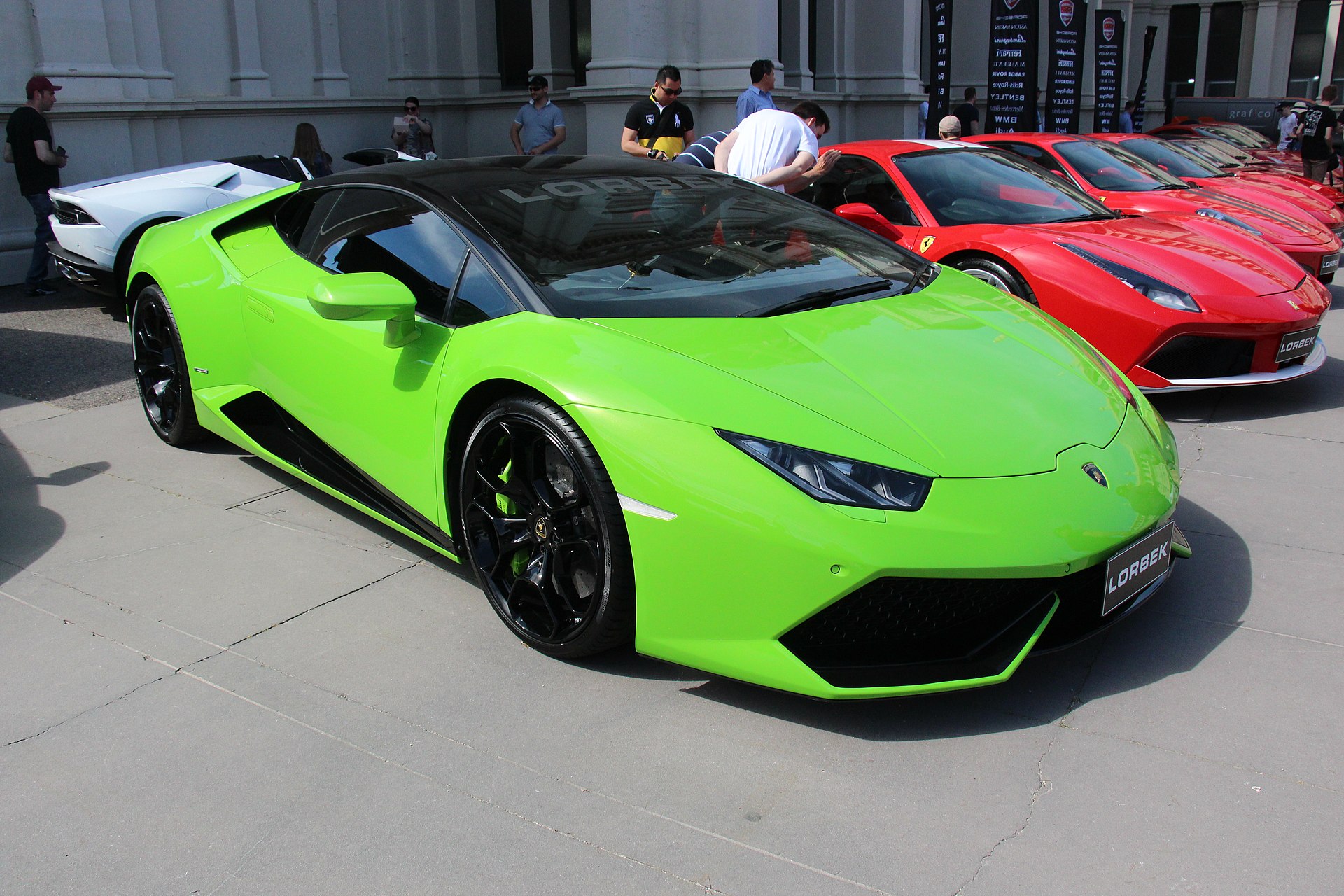
Why the Huracan is still the easiest modern Lamborghini to understand
The Lamborghini Huracan remains one of the most export-friendly modern supercars in 2026 because buyers understand it quickly. It has the V10 drama people expect from Lamborghini, the reliability reputation of a mature platform, strong visual presence, and a broad global service network compared with older exotic cars. For many international buyers, especially first-time supercar clients, the Huracan feels like the safest emotional choice. That does not mean every Huracan is a safe purchase. Export buyers need to separate beautiful cars from properly documented cars. A low-mileage example with weak service records can be riskier than a higher-mileage car with consistent maintenance and clear ownership. The Huracan is durable when cared for, but neglect, track use, accident repair, poor paintwork, and unclear documents can still turn a dream car into a difficult import. The strongest Huracan purchase starts with one question: will this car remain easy to explain after it reaches the buyer's country? If the answer is yes, the car can be excellent inventory. If the answer requires excuses, discounts, or vague promises, the buyer should slow down.
Choose the right Huracan version for the target market
Different Huracan versions attract different buyers. Early LP610-4 cars are often the most accessible entry point. Rear-wheel-drive versions appeal to drivers who want a more playful car and may accept a slightly more specialist ownership profile. Performante models carry stronger collector appeal, while EVO versions feel more modern and easier to sell to buyers who care about updated styling, infotainment, and chassis systems. Exporters should consider the destination market before choosing inventory. A country with a strong enthusiast scene may appreciate a Performante or rear-wheel-drive model. A market where buyers prioritize status and low risk may prefer a clean all-wheel-drive coupe in a popular color. A buyer who will actually track the car may care about carbon-ceramic brake condition, tire history, and setup quality more than the lowest odometer number. Color also matters. Bright colors photograph well and fit Lamborghini culture, but some markets prefer black, white, grey, or yellow because resale is easier. Rare colors can bring attention, but attention is not always liquidity. The best export car is the one that matches local buyer taste.
Service records are more important than seller confidence
The seller may say the car is perfect. That is not enough. A used Huracan should come with service invoices, maintenance dates, mileage records, inspection reports, recall information, and ownership history. If the car has spent time in storage, ask how it was maintained. Low mileage can be attractive, but long inactivity can create battery, tire, fluid, and seal concerns. Buyers should pay attention to oil services, brake inspections, tire age, battery replacements, software updates, and any suspension or drivetrain work. A car with clear history is easier to value and easier to resell after import. A car with missing records is not automatically bad, but it should be priced with uncertainty in mind. Service consistency also helps build trust with customs brokers, banks, resale customers, and final buyers. In export business, records are part of the vehicle's value. A great sound clip does not replace paperwork.
Inspect paint, panels, wheels, and underbody
Huracans are low, wide, and often driven in environments where the front splitter, lower bumper, rocker panels, and rear diffuser are exposed to damage. Scrapes are common. Poor repairs are the problem. Look for cracked carbon, uneven panel gaps, overspray, mismatched paint texture, missing fasteners, and poorly fitted paint protection film. Wheels and tires deserve special attention. A Huracan on cheap mismatched tires sends the wrong signal. Check tire brand, date code, tread depth, and wear pattern. Uneven inner-edge wear may indicate aggressive alignment, accident repair, or hard use. Inspect the inside of the wheels for bends or cracks, not only the visible face. If possible, use a paint meter and underbody lift inspection. Export buyers cannot easily fix surprises after the car ships. The inspection should happen before final payment, not after the vehicle is already in a container.
Check brakes and track-use evidence
Many Huracans are used gently, but some see track days, launches, and aggressive driving. Track use is not automatically negative if the car was maintained properly, but it must be understood. Carbon-ceramic brake condition, rotor wear, pad life, tire history, heat marks, and fluid records all matter. Ask whether the car has been used on circuit. A seller may not know or may avoid the question, so inspect the clues. Heavy brake wear, repeated tire replacement, aggressive alignment, stone chips, and interior harness marks can reveal more than the listing description. For export buyers, brake condition can materially affect landed cost. Carbon-ceramic replacement costs are high enough to change the true price of the car. If the brakes are near replacement, the buyer should know before negotiating.
Electronics, battery, and test drive behavior
Modern Lamborghinis are more usable than older exotic cars, but electronics still need attention. Scan for fault codes, check battery health, test lift system operation, lights, infotainment, climate control, drive modes, parking sensors, cameras, and key functions. A weak battery can create confusing warnings and unnecessary stress after delivery. The test drive should include cold start, slow traffic, normal cruising, moderate acceleration, firm braking, and low-speed steering. Listen for suspension noise, drivetrain hesitation, brake vibration, warning lights, and unusual gearbox behavior. A short dramatic drive is not enough. The car should behave correctly when used normally. If the buyer cannot inspect in person, request detailed video. Show the cold start, dashboard, engine bay, exterior walkaround, tire dates, brake condition, documents, and a calm test drive. The goal is to reduce distance anxiety.
Documents and export readiness
Before payment, confirm the title, registration, invoice, seller identity, lien status, export eligibility, and destination-market requirements. Some countries have age limits, emissions rules, tax structures, or inspection processes that affect the deal. The Huracan may be desirable, but documentation decides whether the transaction can move smoothly. International buyers should also calculate shipping, insurance, port handling, inland transport, taxes, registration, and first-service reserve. A car that looks affordable at origin may become expensive once landed. A professional exporter should explain this early.
Final recommendation
A used Lamborghini Huracan can be one of the best modern exotic cars for export buyers in 2026. It offers brand power, V10 emotion, reliable platform maturity, and strong global awareness. But the best purchase is not simply the cheapest car or the lowest-mileage car. It is the car with the clearest story. Choose the Huracan that has consistent records, honest condition, correct options, healthy brakes and tires, clean documents, and a seller willing to answer detailed questions. That is the car most likely to arrive well, sell well, and protect the buyer's confidence.